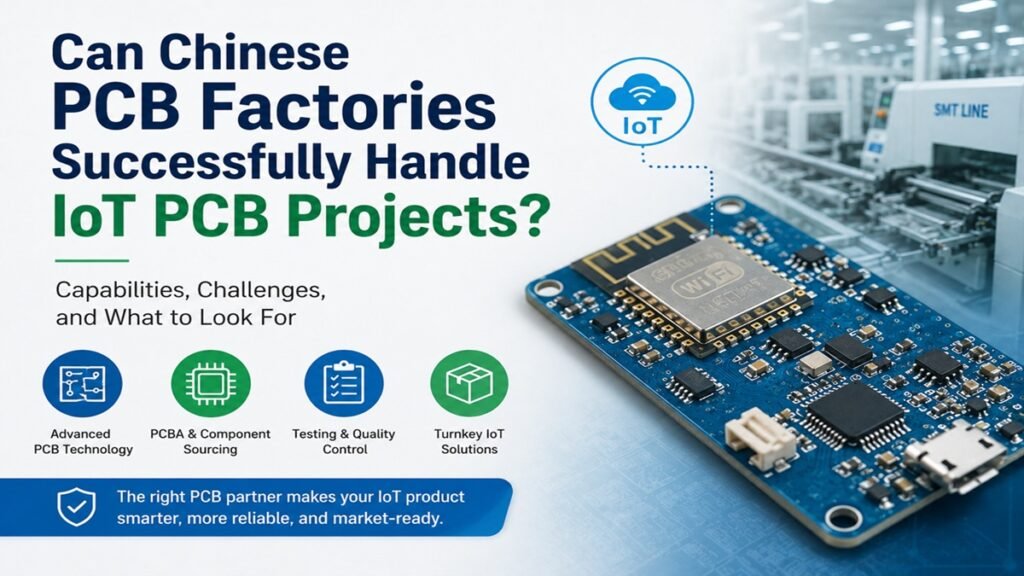
Can Chinese PCB Factories Successfully Handle IoT PCB Projects?
IoT products are becoming smaller, smarter, and more connected. From smart home sensors and wearable devices to industrial monitoring systems, smart meters, gateways, trackers, and connected medical devices, IoT hardware is now used in almost every industry.
But behind every IoT device, there is a PCB that must do much more than simply connect components.
An IoT PCB often needs to support wireless communication, low-power operation, sensor accuracy, firmware interfaces, compact layouts, stable power management, and long-term field reliability. Because of this, many buyers ask an important question:
Can Chinese PCB factories really handle IoT PCB projects well?
The answer is yes, but with one important condition: buyers must choose the right type of PCB factory. A general low-cost board supplier may not be enough. IoT projects usually need a manufacturer that understands PCB fabrication, PCBA assembly, component sourcing, wireless modules, testing, and sometimes box build integration.
China’s PCB and PCBA industry has developed rapidly in recent years. Many factories are no longer limited to simple bare board production. Some now provide turnkey PCBA, HDI PCB, rigid-flex PCB, BGA assembly, functional testing, firmware programming, enclosure assembly, and complete EMS support. For IoT companies, this creates more sourcing options than before.
Why IoT PCB Projects Are More Difficult Than Ordinary PCB Orders
Wireless Performance Depends on the PCB
IoT devices often use Wi-Fi, Bluetooth, Zigbee, LoRa, NB-IoT, LTE-M, GPS, UWB, or other wireless technologies. The PCB layout around antennas, RF traces, ground clearance, shielding, and nearby components can directly affect communication distance and stability.
A board may pass basic electrical testing but still fail in real use because the wireless performance is weak. This is why IoT PCB projects need careful RF layout review, impedance control, and stable manufacturing quality.
Small Size Creates Manufacturing Risk
Many IoT products are compact. Smart locks, wearables, sensors, asset trackers, and portable gateways often require dense component placement, fine-pitch ICs, small passives, and sometimes HDI or rigid-flex PCB structures.
As the board gets smaller, assembly difficulty increases. Solder paste control, component placement accuracy, thermal balance, via design, and test-point planning become more important.
Low Power Design Is Hard to Control
Battery-powered IoT devices must manage sleep current, wake-up current, charging behavior, power conversion efficiency, and leakage paths. Even a small assembly defect or wrong component substitution can affect battery life.
For this reason, IoT PCB manufacturing should include not only appearance inspection, but also functional testing and current-consumption testing when needed.
BOM Risk Is Common
IoT products often use wireless modules, sensors, MCUs, memory, connectors, batteries, power ICs, and custom cables. These parts may have supply fluctuations, lifecycle changes, or different versions with similar part numbers.
A good IoT PCBA supplier should help review the BOM, identify sourcing risks, and confirm approved alternatives before production.
Testing Must Be Closer to Real Use
For many IoT products, “power-on OK” is not enough. Buyers may need firmware flashing, wireless communication testing, sensor calibration, charging test, button test, LED test, current test, gateway connection test, or full product functional testing.
This is where a stronger PCB assembly or EMS partner can provide more value than a bare PCB factory.
Why Chinese PCB Factories Are Becoming More Suitable for IoT Projects
China has several advantages for IoT PCB manufacturing.
First, China has a mature electronics supply chain. PCB fabrication, SMT assembly, component sourcing, module supply, plastic parts, cables, batteries, packaging, and testing resources are often located close to each other. This can reduce coordination time for IoT projects.
Second, many Chinese PCB factories have moved from simple board production to turnkey PCBA and EMS services. This is important because IoT buyers often need more than a bare PCB. They may need assembly, programming, testing, enclosure integration, and repeat production support.
Third, China has strong experience in consumer electronics, smart hardware, industrial electronics, and connected devices. These industries overlap heavily with IoT applications.
Finally, many Chinese suppliers are flexible with prototypes, pilot runs, and low-to-mid volume production. For IoT startups and product teams, this flexibility can be useful because connected devices often require several design iterations before mass production.
However, buyers should not assume that every China PCB factory is suitable for IoT. The right supplier should be selected based on the actual project requirements.
Recommended Chinese PCB Manufacturers for IoT PCB Services
PCBCool
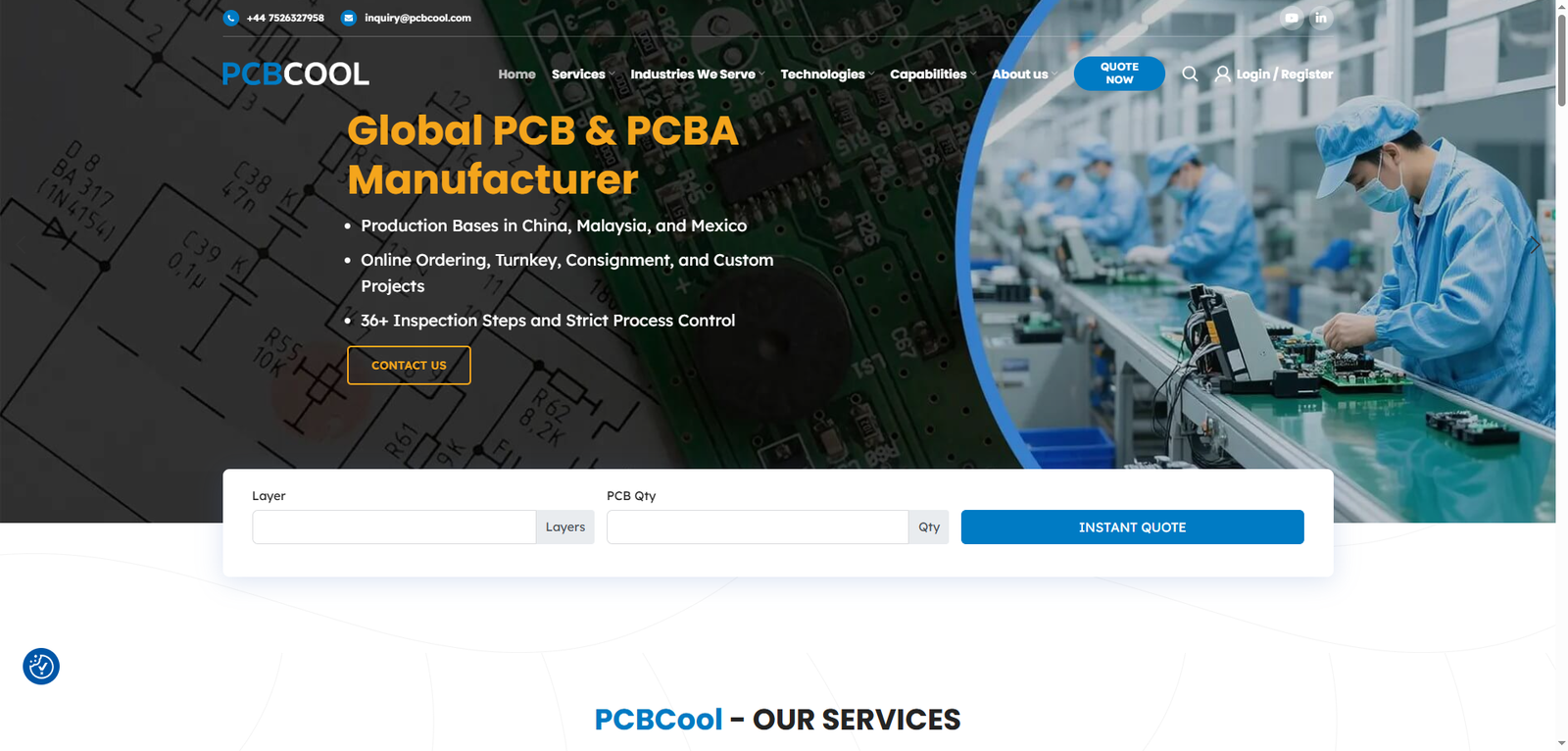
PCBCool is the digital brand under PS Electronics and is positioned around PCB manufacturing, PCB assembly, component procurement, program writing, functional testing, and broader PCBA support. Its official service information describes comprehensive PCB assembly services covering PCB manufacturing, component procurement, component mounting, program writing, and functional testing. It also states support for 1–40 layer PCB manufacturing.
For IoT projects, PCBCool is especially relevant because IoT hardware often requires more than bare board fabrication. PCBCool has a dedicated IoT PCB service page that describes support for IoT devices, including high-density PCBs, low-power optimization, wireless module integration, electrical testing, functional testing, thermal testing, and environmental testing.
Another reason PCBCool fits IoT projects is its box build capability. IoT devices often need the assembled PCB installed into an enclosure, connected with cables, tested as a complete product, labeled, and packaged. PCBCool’s box build assembly service states that it supports IoT and smart devices, pilot builds, low-volume production, and scalable manufacturing programs.
For compact IoT boards using fine-pitch ICs or wireless chips, assembly capability is also important. PCBCool’s BGA assembly page lists support for 0.25 mm pitch BGA, SPI, AOI, X-ray inspection, and rework support.
Best fit: IoT product companies that need PCB manufacturing, PCBA, sourcing, firmware-related support, functional testing, and box build assembly from one supplier.
MOKO Technology
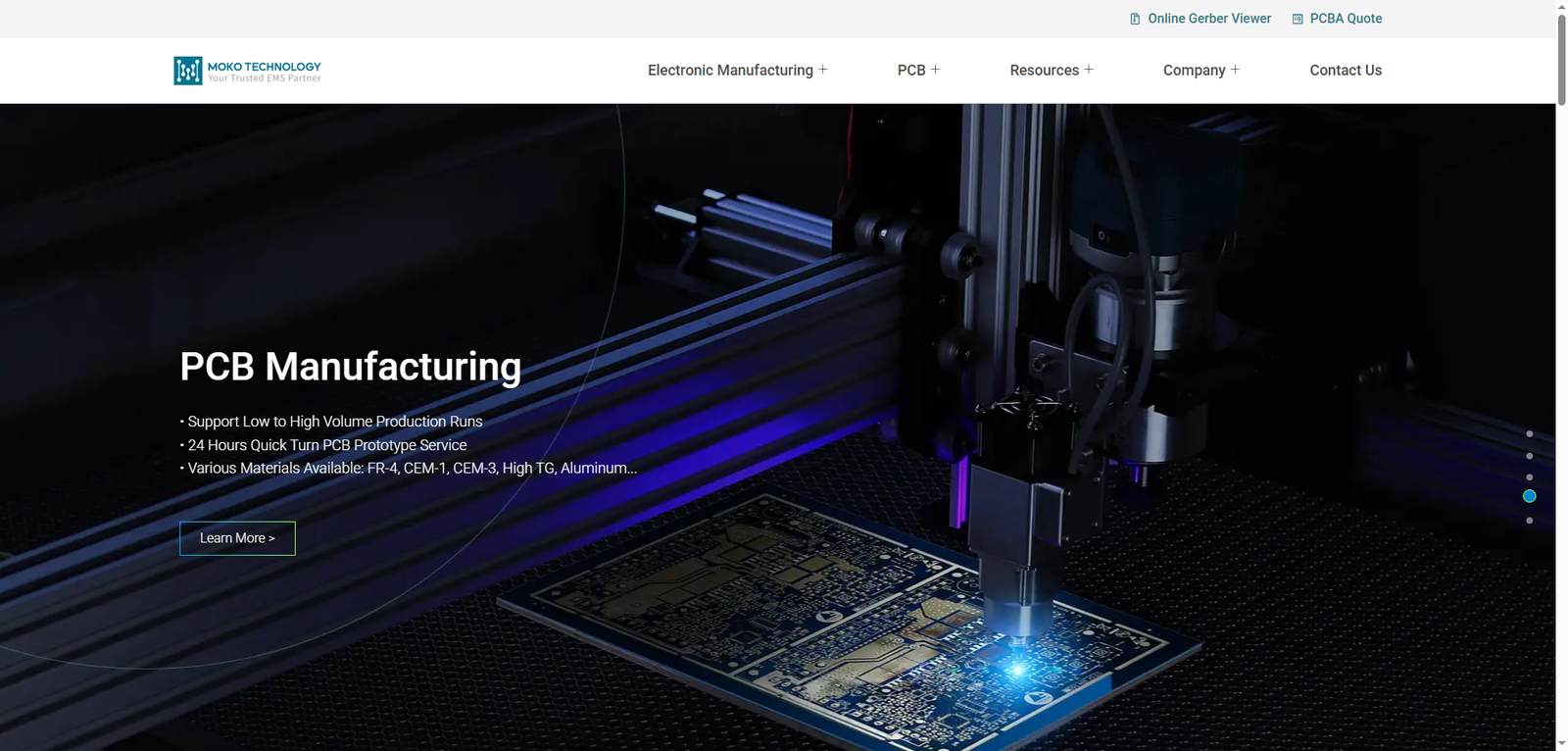
MOKO Technology is a Shenzhen-based electronics manufacturing company that provides PCB assembly, PCB manufacturing, electronic design, box build assembly, supply chain management, DFM, and new product introduction support. Its website lists IoT as one of its served markets.
MOKO is also closely connected with IoT device manufacturing through its MOKOSmart business. MOKOSmart describes itself as an IoT device manufacturer offering Bluetooth beacons, LoRaWAN sensors, IoT gateways, GPS trackers, IoT modules, and ODM/OEM/JDM services. It lists wireless technologies including BLE, LoRaWAN, Wi-Fi, RFID, GPS, LTE, and UWB.
This makes MOKO different from a basic PCB supplier. It is more suitable for buyers who want IoT product-level support, especially when the product involves wireless connectivity, sensors, gateways, tracking, or custom IoT devices.
Best fit: Bluetooth beacons, LoRaWAN sensors, gateways, trackers, custom IoT devices, and buyers needing ODM/OEM IoT manufacturing support.
Seeed Studio Fusion
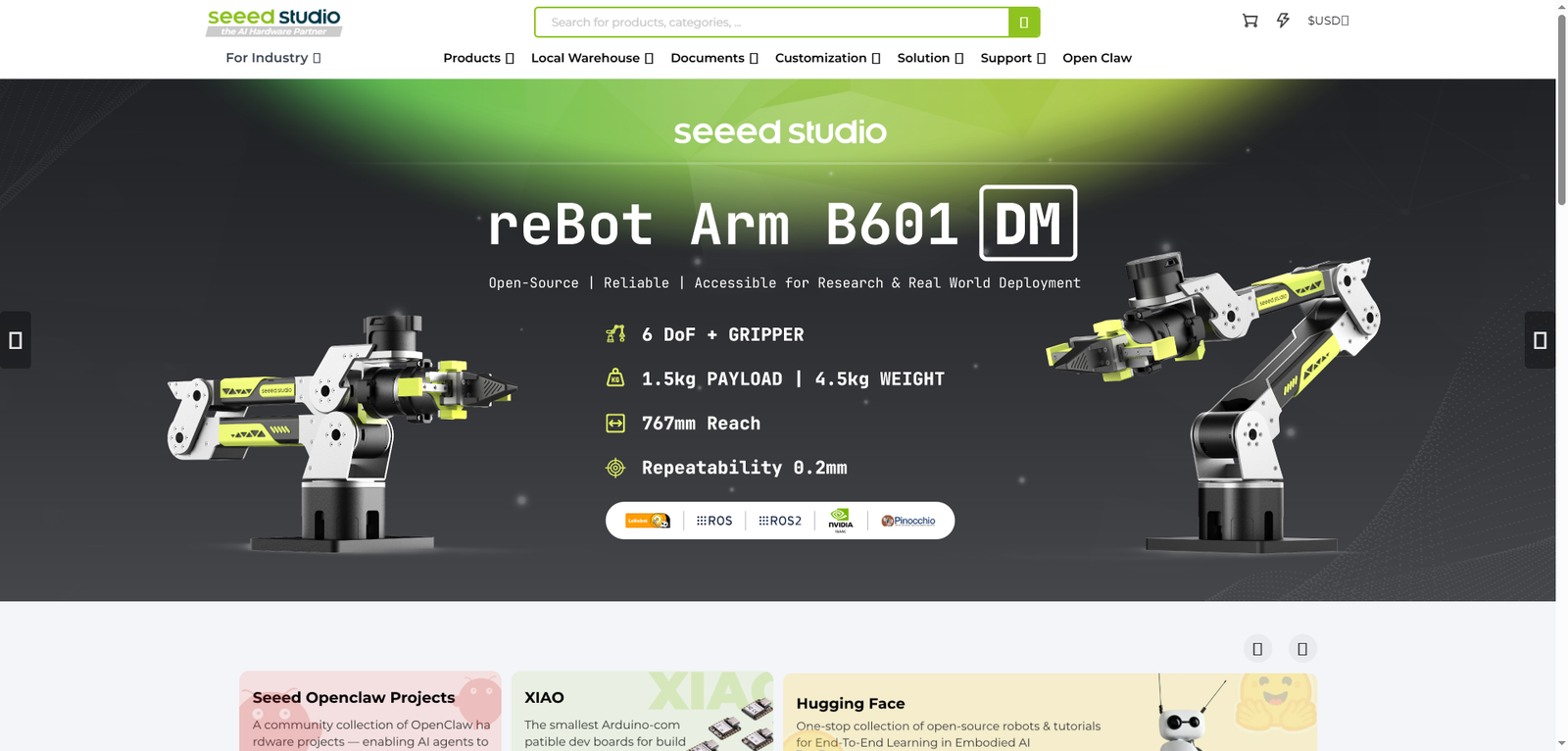
Seeed Studio Fusion is known for hardware development, prototyping, PCB fabrication, and turnkey PCBA services. Its Fusion PCB assembly page states that it offers one-stop PCB manufacturing and PCB assembly, including PCB manufacturing, parts procurement, assembly, engineering support, and functional testing.
Seeed is especially relevant for IoT projects because it has a strong connection with the maker, startup, and hardware development community. Many IoT products start as prototypes before moving into pilot production, and Seeed’s service model is suitable for teams that need fast iteration, small batch builds, and online manufacturing support.
For buyers developing early-stage IoT hardware, Seeed Fusion may be useful when the project is still moving through design validation, prototype testing, firmware development, and small production runs.
Best fit: IoT prototypes, maker hardware, development boards, small-batch PCBA, connected sensors, and early-stage product validation.
Elecrow
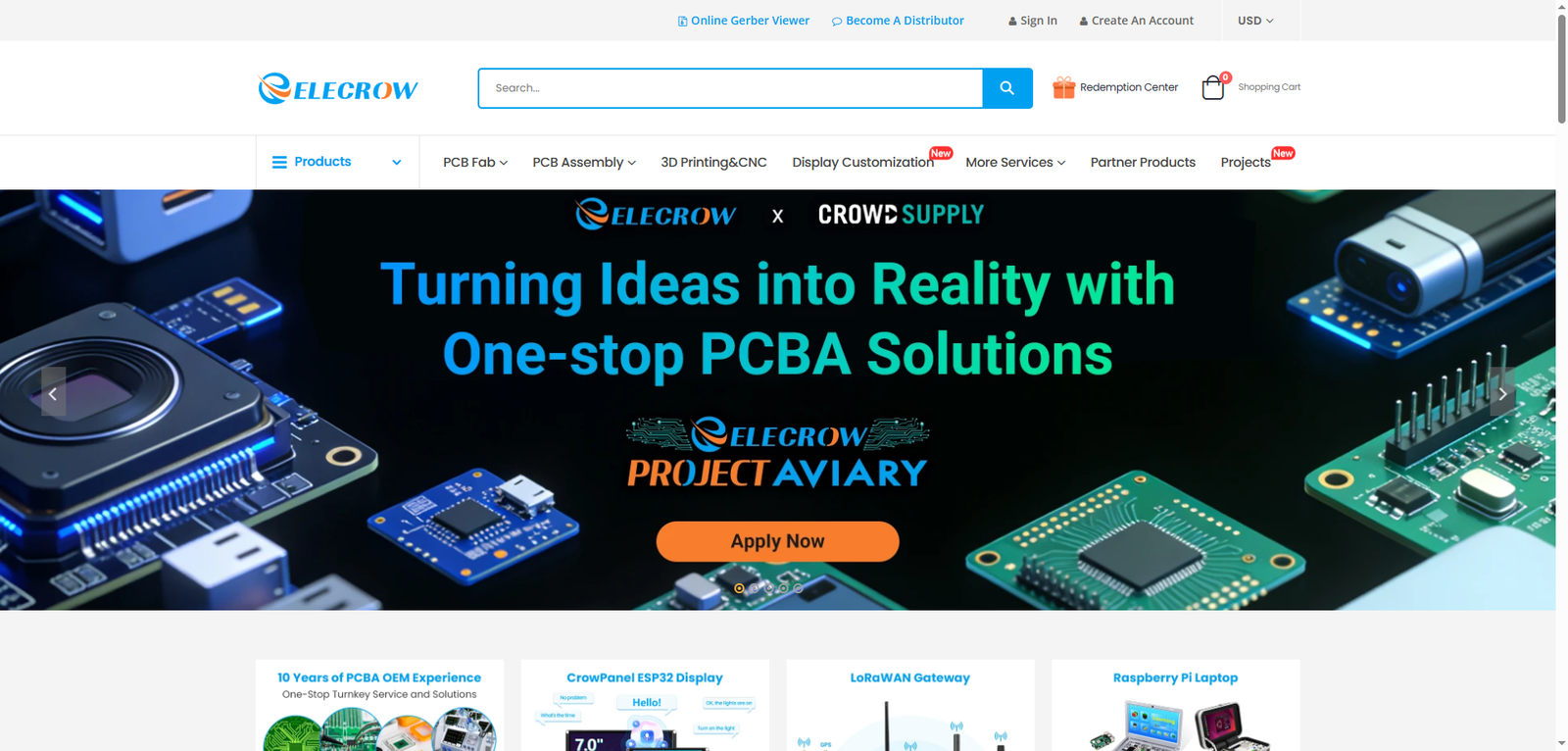
Elecrow is a Shenzhen-based hardware and PCBA service provider. Its website describes custom PCBA manufacturing for prototypes and production, and it also offers electronic kits for IoT, displays, and STEAM-related applications.
Elecrow may be useful for IoT buyers who need flexible prototype and production support rather than a traditional large-factory sourcing process. Its connection with hardware kits, display modules, Raspberry Pi-related products, and custom PCBA services makes it relevant for smart devices, small controllers, IoT display products, and connected hardware projects.
For IoT teams, Elecrow may be a practical option when the project needs a combination of PCB assembly, hardware modules, display integration, and small-to-medium production support.
Best fit: IoT display devices, smart controllers, hardware kits, connected prototypes, Raspberry Pi-related products, and small-batch PCBA projects.
PCBGOGO
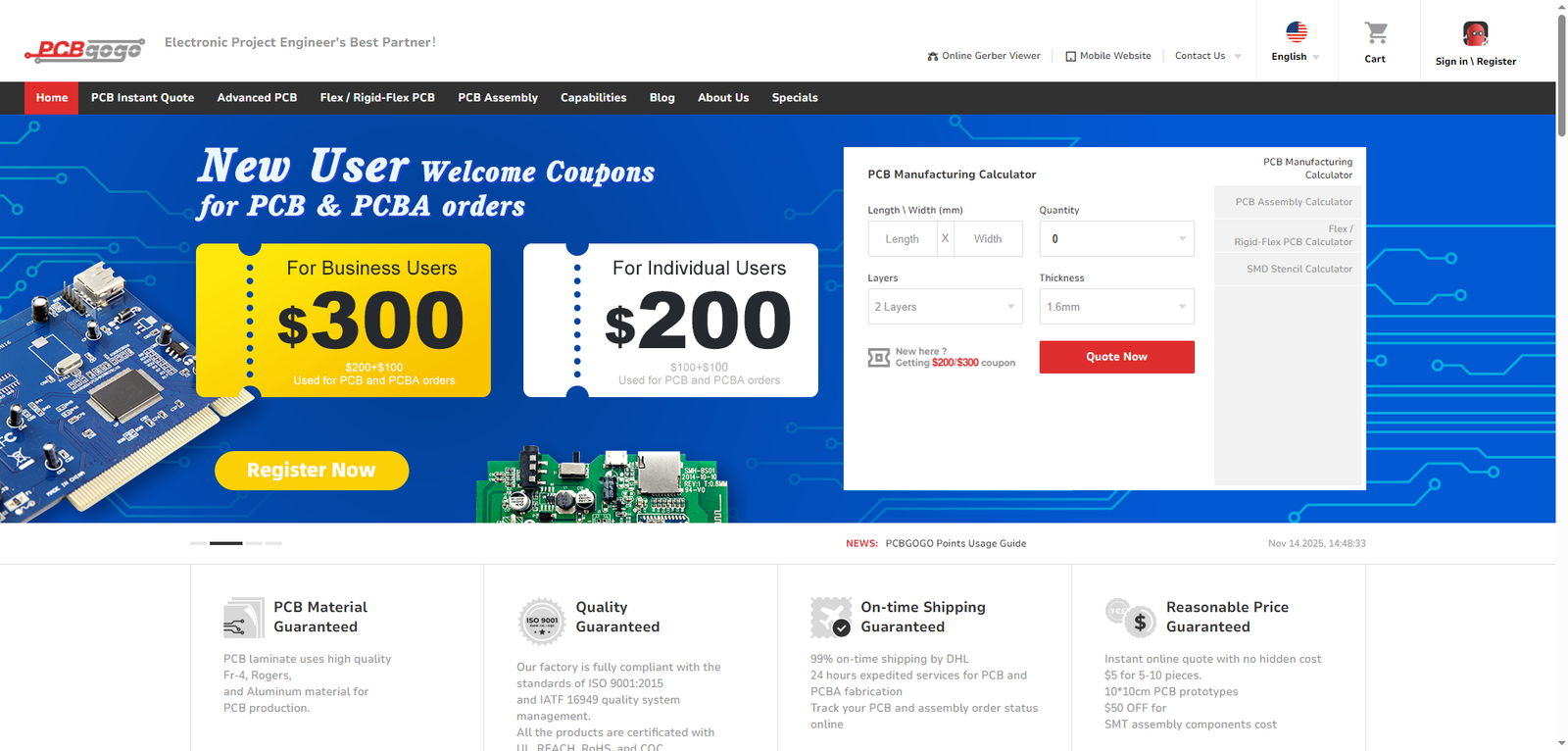
PCBGOGO is a China-based PCB prototype and PCB assembly manufacturer. Its website describes full-service PCB prototype and assembly support, including custom prototype PCB services and PCB assembly.
PCBGOGO also has a dedicated IoT PCB page that promotes IoT PCB solutions for different IoT devices. The page positions PCBGOGO as a China PCB manufacturer offering IoT PCBs and short-turnaround service.
For IoT buyers, PCBGOGO may be more suitable for prototype and early production projects where speed, online ordering, and PCB assembly support are important. It can be considered when the buyer needs a straightforward path from PCB prototype to PCBA build.
Best fit: IoT PCB prototypes, small-batch connected devices, smart home gadgets, simple wireless boards, and early-stage PCBA projects.
How Buyers Should Select a China PCB Factory for IoT Projects
For an IoT project, buyers should avoid choosing a factory based only on PCB unit price. The cheapest bare board price does not always lead to the lowest project cost.
A better selection method is to ask these questions:
Does the Factory Understand Wireless Design Risk?
Ask whether the supplier has experience with antenna areas, RF modules, controlled impedance, shielding, and ground clearance. Even if the factory does not design the RF circuit, it should understand why manufacturing consistency matters.
Can the Supplier Handle Both PCB and Assembly?
Many IoT issues appear during assembly, not bare board fabrication. Check whether the supplier can manage SMT, fine-pitch ICs, module placement, X-ray inspection, AOI, functional testing, and rework.
Can They Support BOM Sourcing?
For IoT projects, component sourcing can affect cost, delivery, and long-term production stability. The supplier should be able to flag risky parts, confirm substitutes, and avoid unauthorized component changes.
Can They Test the Product Properly?
IoT testing may include firmware flashing, wireless connection tests, sensor readings, charging tests, sleep-current checks, and final functional tests. Buyers should define the test plan before production.
Can They Support Product-Level Assembly?
If the IoT device needs an enclosure, cables, battery, display, label, packaging, or final system test, choose a supplier with box build or EMS support rather than only a PCB fabrication supplier.
Conclusion
Chinese PCB factories can complete IoT PCB projects well, but only when the supplier’s capability matches the real difficulty of the product.
IoT PCB projects are challenging because they combine compact layouts, wireless communication, low-power operation, component sourcing risk, firmware interaction, and real-world testing. A simple PCB factory may be enough for a basic board, but many IoT projects need a stronger PCBA or EMS partner.
PCBCool, MOKO Technology, Seeed Studio Fusion, Elecrow, and PCBGOGO represent different types of China-based suppliers that may support IoT PCB projects. PCBCool is more suitable for buyers needing turnkey PCBA, testing, and box build support. MOKO is more connected with complete IoT device manufacturing. Seeed and Elecrow are useful for prototype-driven hardware development. PCBGOGO may be practical for IoT PCB prototypes and small-batch assembly.
For buyers, the key is not simply to ask, “Can this factory make the PCB?” A better question is:
Can this supplier help us build a stable, tested, manufacturable IoT product?
That is the real standard for choosing a China PCB factory for IoT projects.